Vietnam Amends Electricity Law to Pave Way for Time-of-Use Pricing for Households
Vietnam’s National Assembly has passed amendments to the Electricity Law that set out a roadmap for charging households different electricity rates during peak, off-peak and normal hours, when technical conditions permit. The amendments also call for a gradual end to cross-subsidies between customer groups and revise pricing mechanisms for power generation and energy storage projects.

Vietnam’s National Assembly passed amendments to the Electricity Law on November 21, with 488 of the 489 lawmakers present voting in favor. The amendments include household customers in a roadmap for time-of-use retail electricity pricing: when technical conditions permit, household electricity may be priced at different rates during peak, off-peak and normal hours. Implementation will proceed according to a subsequent roadmap.
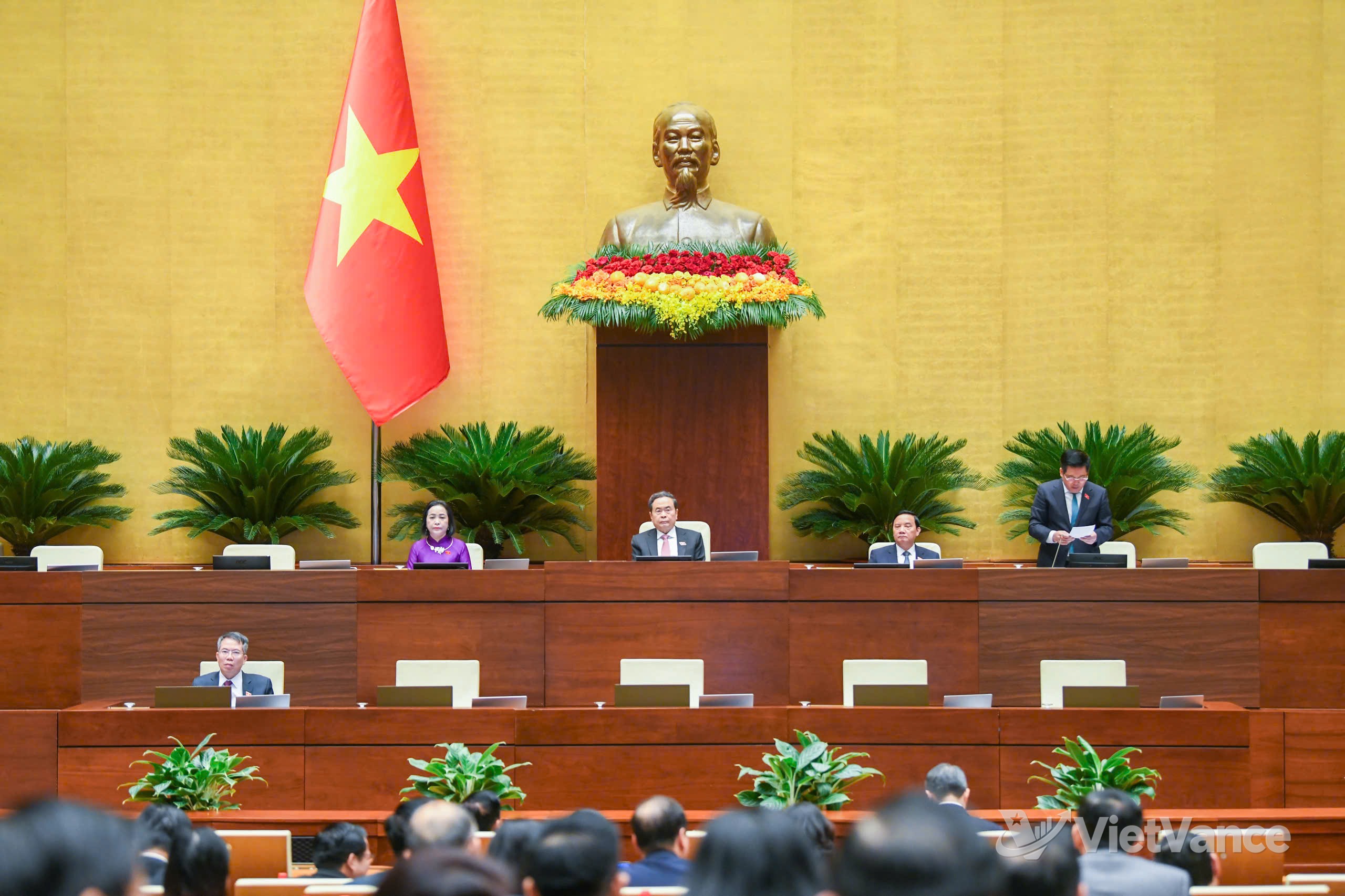
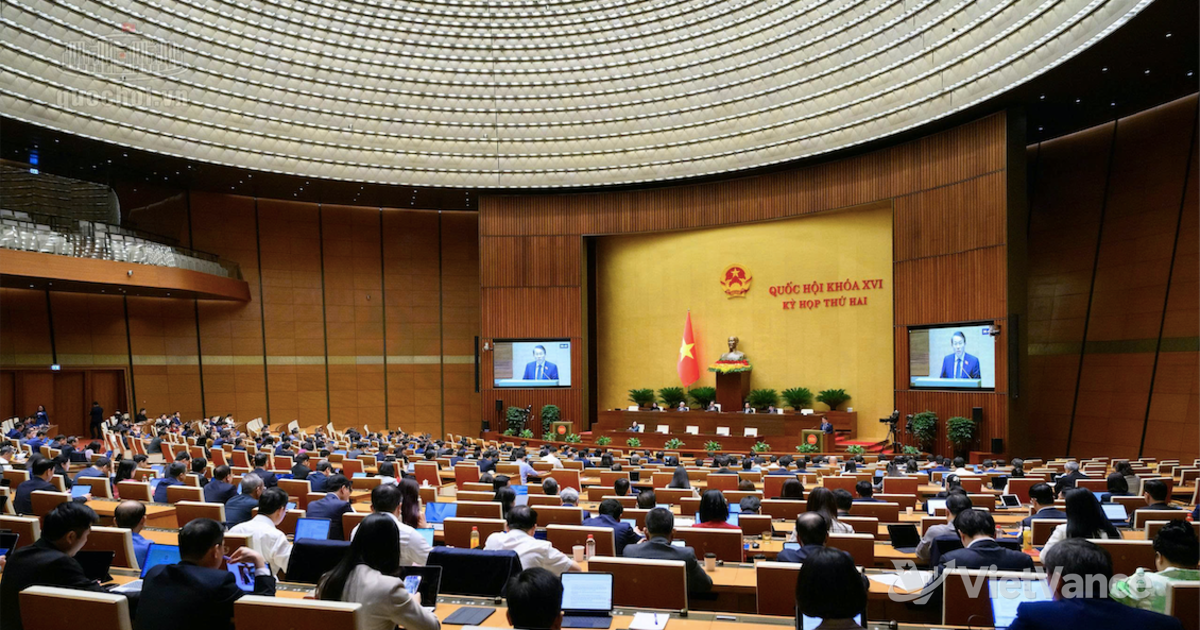
The Vietnamese National Assembly met on the morning of November 21.(VietVance)
The Ministry of Industry and Trade is responsible for developing a roadmap to reform the retail electricity tariff structure and submitting it to the government and prime minister for consideration. The reforms also provide for the gradual introduction, when technical conditions permit, of tariffs with multiple components for different customer groups, comprising at least two components such as capacity charges, energy charges, fixed charges or variable charges.
The amendments require electricity prices to fully reflect power companies’ reasonable and legitimate production and operating costs, and call for the gradual elimination of cross-subsidies between customer groups that have yet to enter the competitive retail electricity market. Minister of Industry and Trade Lê Mạnh Hùng explained the amendments at the meeting.
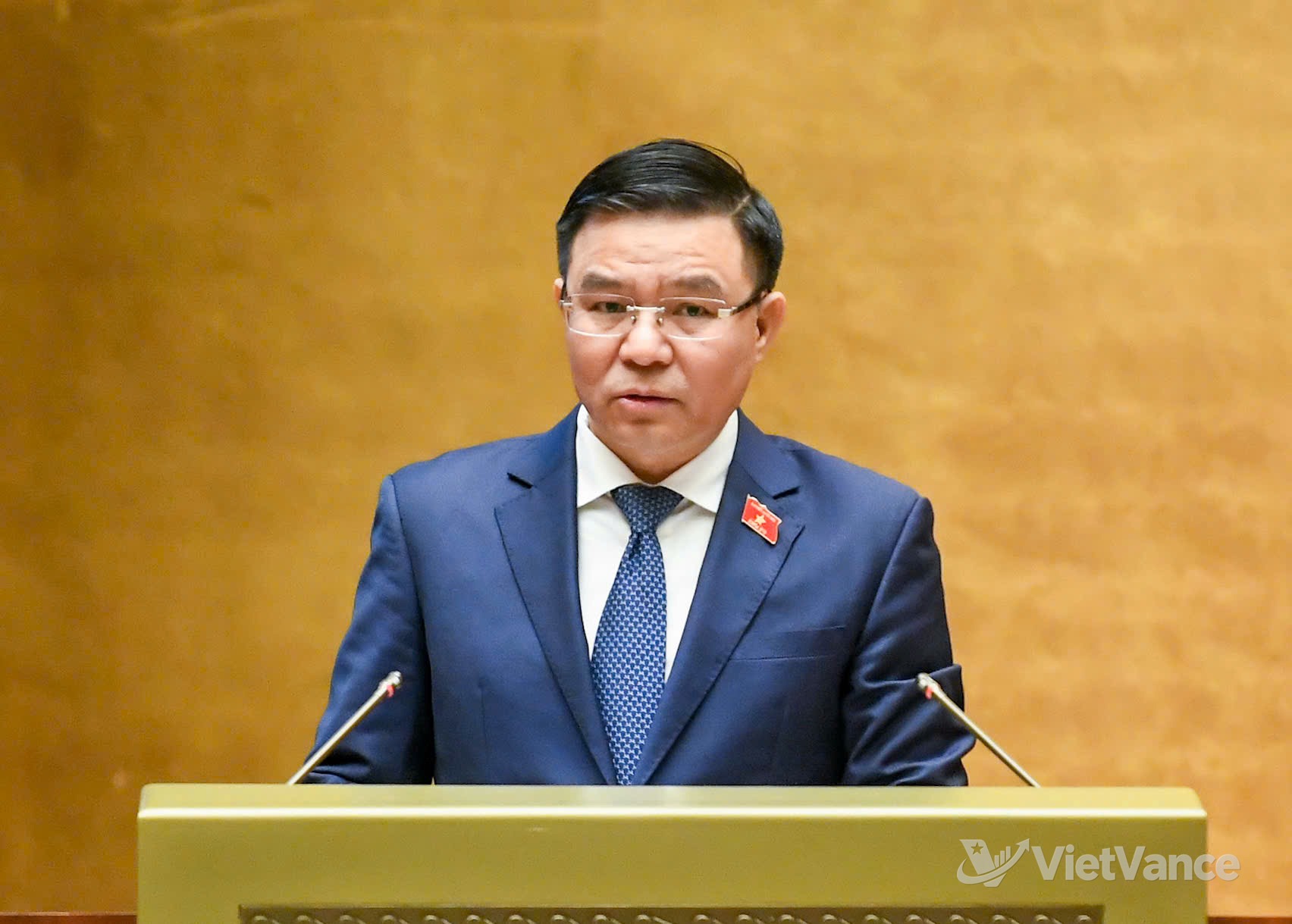
Minister of Industry and Trade Lê Mạnh Hùng explained the amendments at the meeting.(VietVance)
For power generation and investment, the amendments refine the components of power purchase agreement prices, specifying that contract prices for public-private partnership projects may include capacity, operation and maintenance, and energy charges. They also introduce supporting electricity pricing or investment incentives for renewable energy, new energy, energy storage and hybrid power projects. The newly introduced concept of a capacity charge refers to a payment for the availability of power generation, transmission or energy storage capacity.
The amendments also require average retail electricity prices to be adjusted promptly in response to actual changes in input parameters. Costs that have not been fully accounted for and recovered through electricity prices must undergo an independent audit. The law will take effect on June 1, 2027, with some provisions taking effect on July 1, 2027.
Source: VietVance