Vietnam Issues 2026–2030 Plan to Manage Trade Surpluses
Vietnam issued Resolution No. 403/NQ-CP on November 21, approving a 2026–2030 plan to manage trade surpluses and prevent risks in international trade. The plan calls for closer monitoring of export concentration, origin checks and supply chains, while addressing illegal transshipment and overcapacity risks.

Vietnam’s Standing Deputy Prime Minister Phạm Gia Túc signed Resolution No. 403/NQ-CP on November 21, 2026, issuing a comprehensive plan to manage trade surpluses and prevent risks in international trade from 2026 to 2030. The resolution took effect on the day it was signed. The plan calls for stronger import capacity to support production and more domestic value added in exports while expanding exports and managing risks arising from bilateral trade imbalances.
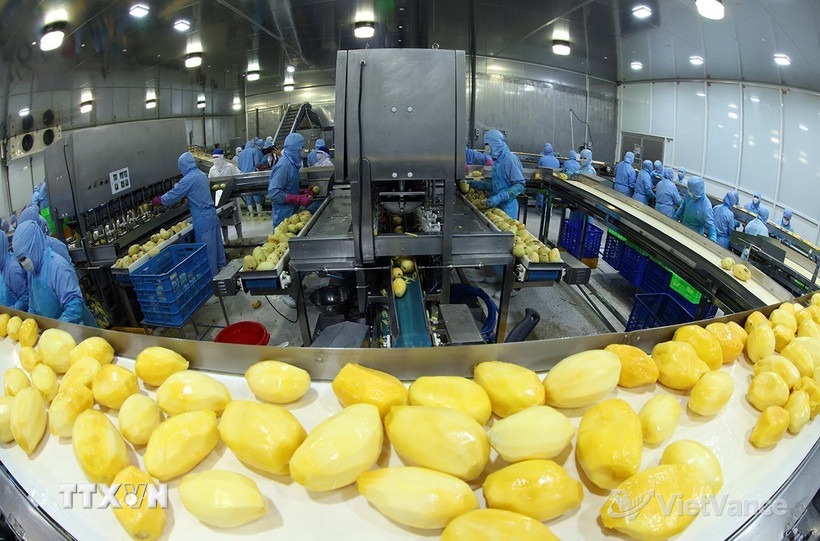
Illustrative image of Vietnam’s import and export trade.(VietVance)
The plan calls for monitoring the size, structure and concentration of trade surpluses, with particular attention to products, markets and companies with large surpluses, and for establishing a risk warning mechanism. Rules on certificates of origin, self-certification of origin and post-clearance checks will be further refined. Inspections of high-risk products, companies and supply chains will be strengthened to prevent origin fraud, circumvention of trade measures and illegal transshipment.
For supply chains, the plan proposes reducing reliance on concentrated or higher-risk import sources, developing supporting industries, promoting cooperation between foreign direct investment enterprises and Vietnamese companies, and raising the localization rate. It also encourages imports of machinery, equipment, raw materials and technology needed for production, and the use of signed free trade agreements to expand supply chains.
The Ministry of Industry and Trade will regularly analyze trade surpluses by industry, product, market and type of enterprise, and lead the development of an export concentration warning and periodic reporting mechanism. The Ministry of Finance will help analyze import, export, customs and investment data, assess the contribution of foreign-invested enterprises to exports, and study ways to steer foreign direct investment projects toward a wider range of target markets from the investment registration stage. The plan also calls for reviews of industrial plans, incentives and credit policies to prevent overcapacity, and for stronger identification and control of goods and suppliers associated with forced labor risks.
Source: VietVance